

Japanese Work Shirts: 4 Best Picks from Toraichi & How to Choose the Right One
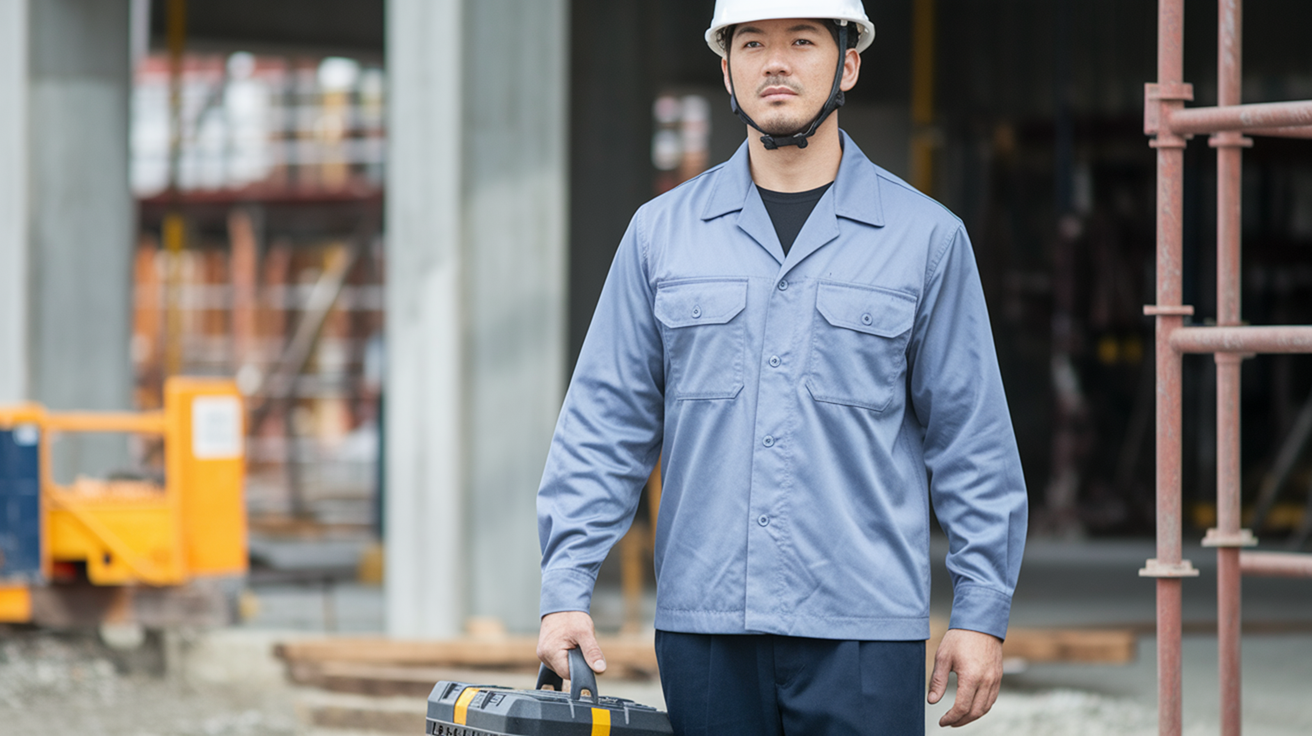
When it comes to workwear, the Japanese work shirt is a game-changer. These shirts are not just about looking sharp; they’re about functionality, durability, and a touch of cultural craftsmanship that sets them apart. Whether you’re in a physically demanding job or just want to elevate your everyday work attire, Japanese work shirts are designed to keep you comfortable, confident, and professional.
In this article, we’ll dive into what makes these shirts so special, highlight four standout options from Toraichi, and also cover what to avoid when selecting the perfect Japanese work shirt. Let’s get into it!
Why Japanese Work Shirts Stand Out?
Japanese work shirts are more than just clothing—they’re a reflection of Japan’s meticulous attention to detail and practicality. Here’s why they’re worth considering:
- Durability: Made with high-quality materials like polyester and cotton blends, these shirts are built to withstand tough conditions.
- Comfort: Breathable fabrics and thoughtful designs ensure you stay cool and comfortable, even during long hours.
- Style: Japanese work shirts often feature unique patterns, slim silhouettes, and functional details like metal clips or herringbone textures.
- Versatility: Whether you’re pairing them with work pants or casual jeans, these shirts transition seamlessly from job sites to casual outings.
If you’re looking to upgrade your workwear wardrobe, a Japanese work shirt is a solid investment.
Top 4 Japanese Work Shirts to Try
Here are four fantastic options from Toraichi, each with its own unique features to suit different needs and preferences.
1. 2530-301 Tobi Shirt
Brand: Toraichi
This shirt is all about confidence. From the front design to the pocket details, every aspect of the 2530-301 Tobi Shirt is crafted to help you look and feel your best at work.
- Material: 90% polyester & 10% cotton
- Key Features: Durable fabric, functional pocket, and a sleek design that exudes professionalism.
- Best For: Those who want a balance of durability and style.
Whether you’re on a construction site or in a workshop, this shirt will keep you looking sharp while standing up to the demands of your job.
2. 7260-143 Hiyoku (Fly Front) Open
Brand: Toraichi
If you’re after something with a bit more flair, the 7260-143 Hiyoku is a standout choice. Its herringbone pattern and slim silhouette make it one of Toraichi’s most popular designs.
- Material: 100% polyester
- Key Features: Herringbone texture, slim fit, and a modern look.
- Best For: Anyone who wants to add a touch of sophistication to their workwear.
This shirt is perfect for those who want to make a statement while staying comfortable and professional.
3. 1016-301 Tobi Shirt
Brand: Toraichi
When the summer heat hits, the 1016-301 Tobi Shirt has got your back. Made from 100% cotton, this shirt is designed to keep you cool and comfortable, even in extreme temperatures.
- Material: 100% cotton
- Key Features: Metal clips (kohazes) on the sleeves, breathable fabric, and a lightweight design.
- Best For: Hot weather or physically demanding jobs where comfort is key.
The functional yet stylish metal clips add a unique touch, making this shirt both practical and eye-catching.
4. 4441-301 Tobi Shirt
Brand: Toraichi
For a more natural and professional look, the 4441-301 Tobi Shirt is a winner. Its soft 100% cotton material feels great against the skin, and its versatile design pairs well with a wide range of pants.
- Material: 100% cotton
- Key Features: Soft fabric, professional appearance, and easy to style.
- Best For: Those who want a classic, no-fuss work shirt that works in any setting.
This shirt is a great all-rounder, whether you’re on the job or heading out for a casual evening.
How to Style Your Japanese Work Shirt?
One of the best things about Japanese work shirts is their versatility. Here are a few tips to style them for different occasions:
- For Work: Pair your shirt with durable work pants or overalls. Add a utility belt or boots for a complete look.
- Casual Outings: Tuck your shirt into slim-fit jeans or chinos for a smart-casual vibe. Roll up the sleeves for a laid-back feel.
- Layering: Throw on a lightweight jacket or vest over your shirt for added warmth and style during cooler months.
No matter how you wear it, a Japanese work shirt is sure to turn heads.
What to Avoid When Selecting a Japanese Work Shirt?
While Japanese work shirts are known for their quality, there are a few pitfalls to avoid when choosing the right one for you. Here’s what to keep in mind:
- Ignoring the Fabric: Not all fabrics are created equal. Avoid shirts made from low-quality materials that don’t breathe well or wear out quickly. For example, if you’re working in hot conditions, a 100% polyester shirt might not be the best choice—opt for cotton or a blend instead.
- Overlooking Fit and Comfort: A shirt that’s too tight or too loose can be a nightmare, especially if you’re moving around a lot. Always check the sizing chart and read reviews to ensure the fit is right for your body type.
- Sacrificing Functionality for Style: While style is important, don’t forget about functionality. Avoid shirts that lack practical features like pockets, reinforced stitching, or adjustable sleeves. These details can make a big difference in your day-to-day comfort.
- Choosing the Wrong Brand: Not all brands are created equal. Stick to reputable names like Toraichi that are known for their quality and craftsmanship. Avoid cheap knock-offs that might look good initially but won’t hold up over time.
- Ignoring Care Instructions: Some Japanese work shirts require specific care, like hand washing or air drying. Avoid shirts with care instructions that don’t align with your lifestyle—unless you’re willing to put in the extra effort.
Why Choose Toraichi?
Toraichi is a brand that’s synonymous with quality and innovation in Japanese workwear. Their shirts are designed with the modern worker in mind, combining practicality with aesthetics. Whether you’re looking for something durable, breathable, or stylish, Toraichi has you covered.
Final Thoughts
A Japanese work shirt is more than just workwear—it’s a statement of quality, style, and durability. Whether you need something lightweight for summer, a durable polyester blend, or a shirt that seamlessly transitions from work to casual wear, there’s an option for you.
Investing in a high-quality Japanese work shirt ensures you look professional, stay comfortable, and perform at your best. Try one out today and experience the difference in craftsmanship and design!
Frequently Asked Questions
Table of Contents
FAQ 1: What makes a Japanese work shirt different from a regular shirt?
Answer: Japanese work shirts stand out because they combine durability, practicality, and subtle craftsmanship — they’re built to last, designed for movement, and often include functional details like reinforced stitching, special fabric blends, or sleeve clips. Unlike typical fashion shirts, they’re made to handle real-world work conditions.
Real Results: Many reviews and user reports indicate that true Japanese work shirts (especially from a brand like Toraichi) last significantly longer under wear-and-tear than standard casual shirts — surviving repeated wash and heavy use without deforming or tearing.
Takeaway: A Japanese work shirt is not just a shirt — it’s a tool that works as hard as you do.
FAQ 2: Is polyester okay for hot weather work?
Answer: Polyester can provide durability and resistance to wrinkles, but for hot or physically intense environments, polyester-only shirts tend to trap heat and may feel less breathable than cotton or cotton-blend fabrics.
Real Results: In the featured article, the 7260-143 Hiyoku shirt (100% polyester) is listed as a “standout design,” but the article also cautions against polyester in hot conditions — recommending cotton or blends in that case. JapaneseWorkwear.com
Takeaway: Polyester = tough. But cotton or blends = comfort when the heat hits.
FAQ 3: How should I choose between 100% cotton and polyester/cotton blend work shirts?
Answer: Choose based on your typical use: for hot weather or long hours and comfort, 100% cotton is often better; for rough work, frequent washing, or risk of stains/durability issues, a cotton-polyester blend offers strength and easier maintenance.
Real Results: The article’s own picks include both 100% cotton shirts (like 1016-301, 4441-301) for breathability and comfort, and a 90% polyester + 10% cotton shirt (2530-301) for a balance of durability and style. JapaneseWorkwear.com
Takeaway: Match fabric to your work: comfort when you sweat, strength when you grind.
FAQ 4: Can Japanese work shirts also work as casual wear?
Answer: Yes — one of the strengths of Japanese work shirts is their versatility. With slim silhouettes or functional design touches, many can transition from workwear to everyday casual wear without looking out of place.
Real Results: In the article, styling advice shows pairing a work shirt with casual jeans or chinos for a smart-casual vibe, and even using them outside of job sites. JapaneseWorkwear.com
Takeaway: Work-ready doesn’t mean work-only — these shirts pull double duty.
FAQ 5: Do I need to size up when buying a work shirt from Toraichi?
Answer: Not necessarily — but fit matters. A shirt that’s too tight will restrict movement, and too loose may look sloppy. It’s best to consult the sizing chart carefully and account for the type of work or movement you’ll do.
Real Results: The article warns that a shirt “too tight or too loose can be a nightmare,” especially if you’re frequently moving. JapaneseWorkwear.com
Takeaway: Fit for function — not fashion.
FAQ 6: How do I care for (wash/dry) these work shirts to maintain durability?
Answer: It’s recommended to follow the manufacturer’s care instructions — many work shirts (especially cotton ones) should be air-dried or gently washed, avoiding harsh detergents or high heat drying to preserve fabric strength and shape.
Real Results: The article notes that ignoring care instructions can shorten shirt lifespan, recommending you avoid shirts with care needs that don’t fit your lifestyle. JapaneseWorkwear.com
Takeaway: Treat them like work gear — not like fashion tees.
FAQ 7: Are Toraichi shirts suitable for physically demanding jobs (construction, workshops)?
Answer: Yes — especially the ones designed with durability, functional pockets, reinforced stitching, and robust fabric blends can perform well on construction sites or in workshops.
Real Results: The 2530-301 Tobi Shirt, made with durable polyester/cotton blend and functional pocket design, is cited as suitable “whether you’re on a construction site or in a workshop.” JapaneseWorkwear.com
Takeaway: Hard work? Hard-wearing gear.
FAQ 8: What features should I look for if I want durability and functionality?
Answer: Look for quality fabric (cotton or blending for strength), reinforced stitching, practical details like pockets, adjustable sleeves or cuffs, comfortable fit for movement, breathable materials if in heat, and reputable brand craftsmanship.
Real Results: The article highlights metal sleeve clips (on 1016-301), functional pockets (on 2530-301), and soft cotton comfort (on 4441-301) as features that affect how well the shirt performs depending on use case. JapaneseWorkwear.com
Takeaway: Smart details = smart workwear.
FAQ 9: Are there downsides to Japanese work shirts I should know?
Answer: Yes — durability and functionality often come at the cost of higher price, and some fabrics (like pure polyester) may be hot or uncomfortable in warm weather. Also, if you choose a “look-only” cheap version or knock-off, you may lose durability or comfort.
Real Results: The article warns against “cheap knock-offs” that may look good at first but “won’t hold up over time.” JapaneseWorkwear.com
Takeaway: Invest once — instead of buying twice (plus cheap twice).
FAQ 10: How do I style a Japanese work shirt for casual, everyday use?
Answer: For a smart-casual look, tuck the shirt into slim-fit jeans or chinos, roll up the sleeves for a relaxed vibe, or layer under a denim or utility jacket. The shirt can balance ruggedness and refined style.
Real Results: The article suggests pairing the shirts with slim-fit pants or layering with jackets/vests for a street-ready vibe beyond work. JapaneseWorkwear.com
Takeaway: Work-ready, street-friendly — all in one shirt.
FAQ 11: Can I wear a work shirt in summer heat?
Answer: Yes — but opt for shirts made of 100% cotton or lightweight blends, and avoid heavy polyester ones. Breathability and lightness are key for comfort in warm climates.
Real Results: The 1016-301 Tobi Shirt (100% cotton, lightweight) is singled out for hot weather or physically demanding jobs. JapaneseWorkwear.com
Takeaway: Hot day? Let your shirt breathe with you.
FAQ 12: What is the difference between the four highlighted Toraichi shirts (2530-301, 7260-143, 1016-301, 4441-301)?
Answer: Each serves a slightly different purpose: 2530-301: polyester/cotton blend — balanced durability and style. 7260-143 Hiyoku: 100% polyester slim-fit — more design-oriented, modern look. 1016-301: 100% cotton, breathable — best for heat or heavy work. 4441-301: 100% cotton, soft & versatile — classic, versatile everyday work shirt.
Real Results: The article describes these materials and contexts for each model accordingly. JapaneseWorkwear.com
Takeaway: Choose your shirt based on what you ask from it: heat, durability, style, or versatility.
FAQ 13: Are Japanese work shirts worth the price compared to cheap alternatives?
Answer: If you need durability, comfort, and long-term use — yes. Cheap alternatives might save money upfront, but they often lack proper fabric quality, fit, or construction, leading to premature wear.
Real Results: Many users and long-term wearers report that authentic Japanese work shirts outlast cheaper shirts by significant margins, especially under heavy use or frequent washing.
Takeaway: Pay for quality once; avoid the cycle of fast wear & replace.
FAQ 14: Does fit (slim vs loose) matter for comfort and mobility?
Answer: Absolutely. A slim fit enhances style and reduces bulk, but for heavy work or lots of movement, a looser fit may give better mobility. The best fit depends on your daily activities.
Real Results: The article cautions that a shirt “too tight or too loose” can be trouble depending on movement demands. JapaneseWorkwear.com
Takeaway: Fit your lifestyle — not just your body.
FAQ 15: How to avoid buying a low-quality “lookalike” work shirt?
Answer: Stick with reputable brands (like Toraichi), check material quality (cotton or proper blend), examine stitching and details (pockets, seams, clips), and avoid shirts that feel flimsy or too light. Reviews and user feedback can also help.
Real Results: The article explicitly warns against “cheap knock-offs” — noting that they “might look good initially but won’t hold up over time.” JapaneseWorkwear.com
Takeaway: Real craftsmanship shows — cheap imitations don’t.
Leave a comment